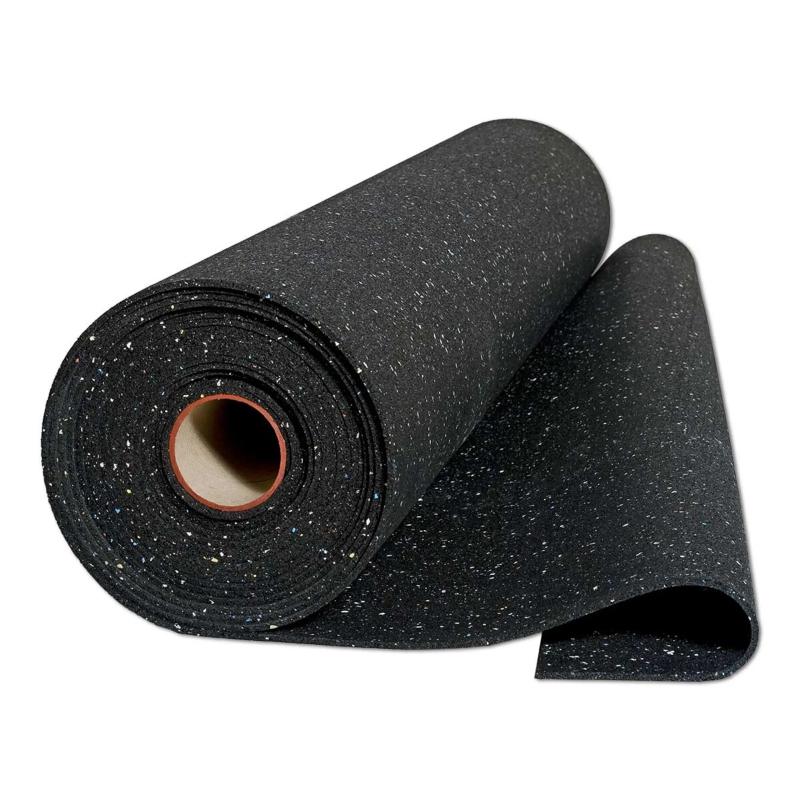
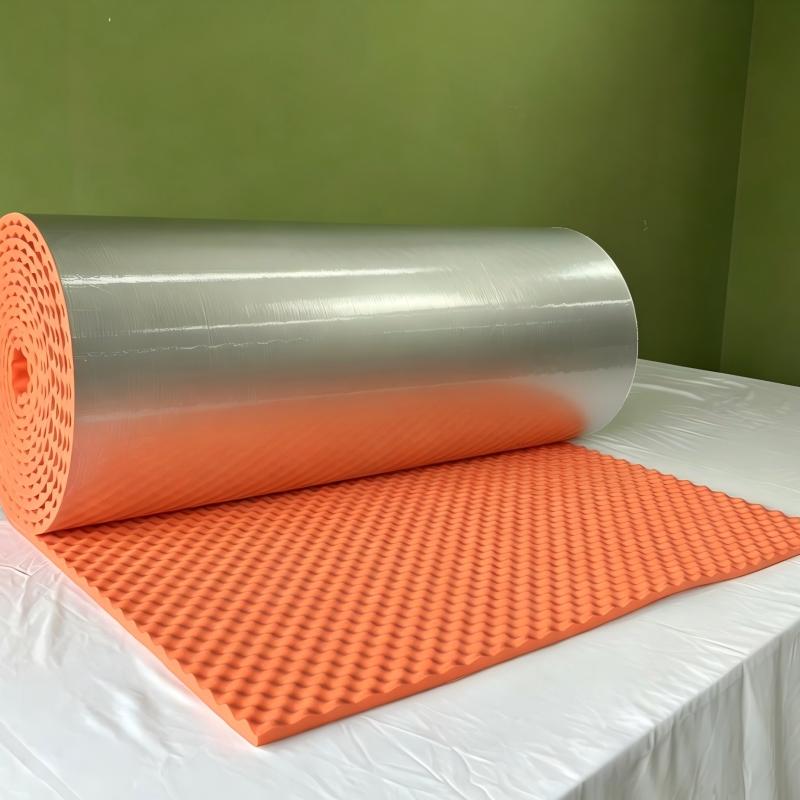
ANIKA Acoustic floor underlayment helps reduce the transmission of footsteps and other impact noise through floor assemblies. The range includes rubber, polyurethane (PU), XPE/EVA and composite underlays for residential and commercial projects.
Start with your floor build-up. An underlay installed directly beneath a floor finish has different requirements from a resilient layer installed below a floating screed. Use the comparison below to shortlist products before requesting samples, test reports or wholesale pricing.
| Underlay Type | Thickness Range | Typical Uses |
|---|---|---|
| Rubber Acoustic Underlayment | 2–8 mm | Selected concrete-based floor assemblies and floating floor systems. |
| PU Acoustic Underlay | 1.2–16 mm | Selected grades for compatible floor finishes, with a 16 mm option for compatible floating screed assemblies. |
| XPE / EVA Underlayment | 1–16 mm | Lightweight foam underlays for compatible flooring systems where thickness and compression limits are specified. |
| Composite Acoustic Underlay | 3–10 mm | Project-specific floor sound insulation where acoustic, thickness and budget requirements guide selection. |
Thickness ranges are for reference. Confirm the available sizes, installation position and test data for the selected grade.
Shortlist underlays based on the subfloor, screed or finish, and expected loads. Then compare impact sound reports for floor assemblies similar to your project.
Use a grade that meets the flooring manufacturer's thickness and compression requirements. For flooring with an attached pad, check whether the manufacturer permits an additional underlay.
Yes. Send your required quantity and floor specification. ANIKA can confirm sample availability, roll or sheet sizes, packaging and available test reports for the selected product.
Send your floor section or layer list, target impact sound rating, required area in m² and delivery destination. For distributor enquiries, include your preferred thicknesses and estimated order volume.

Name: Sherry
Mobile:086-13824455624
Tel:086-13824455624
Whatsapp:8613824455624
Email:export@anikacn.com
Add:4th Floor, Building 210, Tairan Industrial Zone, Shennan West Road, Futian District
We chat