ANIKA ACOUSTIC / FACTORY PROCESS
From raw material preparation and extrusion to optional non-woven fabric lamination, quality inspection and international shipment.
Mass Loaded Vinyl (MLV) is a flexible, high-mass sound barrier used as part of suitable wall, floor, ceiling, HVAC and equipment enclosure systems. Explore the stages of a typical ANIKA MLV production workflow below. Exact equipment and process settings depend on the product specification.
Production flow: Material preparation → Mixing → Extrusion → Calendering → Optional fabric lamination → Cooling → Inspection → Winding → Packaging
A consistent MLV sheet starts with controlled raw material preparation. A typical mineral-filled vinyl compound contains a polymer binder, high-density mineral fillers and processing additives. Materials are measured to match the required formulation before compounding.
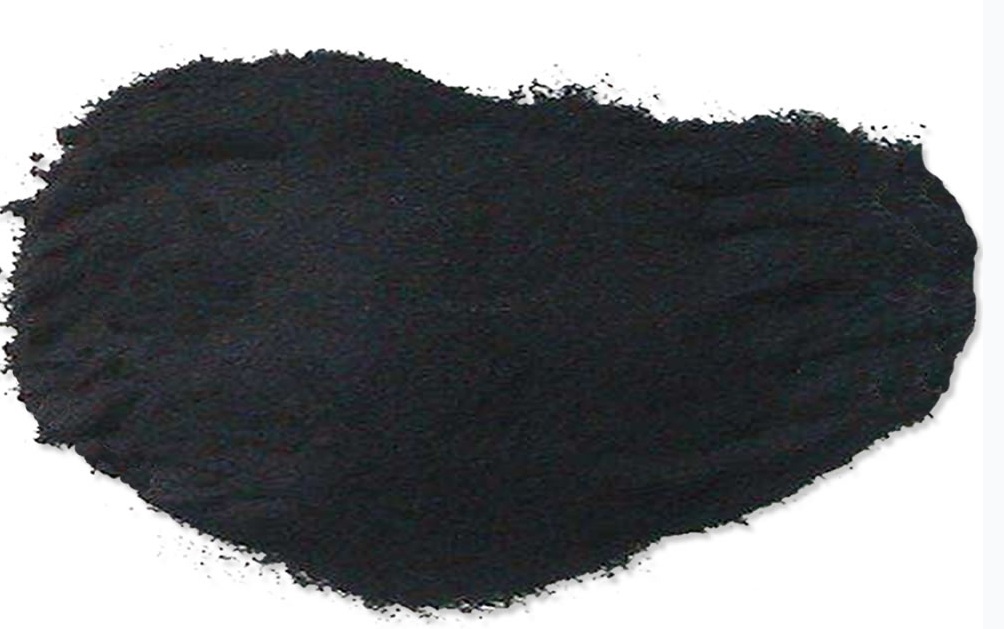
Raw material preparation for MLV sound barrier production.
The ingredients are blended to distribute mineral fillers throughout the compound. Proper mixing supports uniform density, flexibility and sheet appearance, while preparing the material for continuous processing.
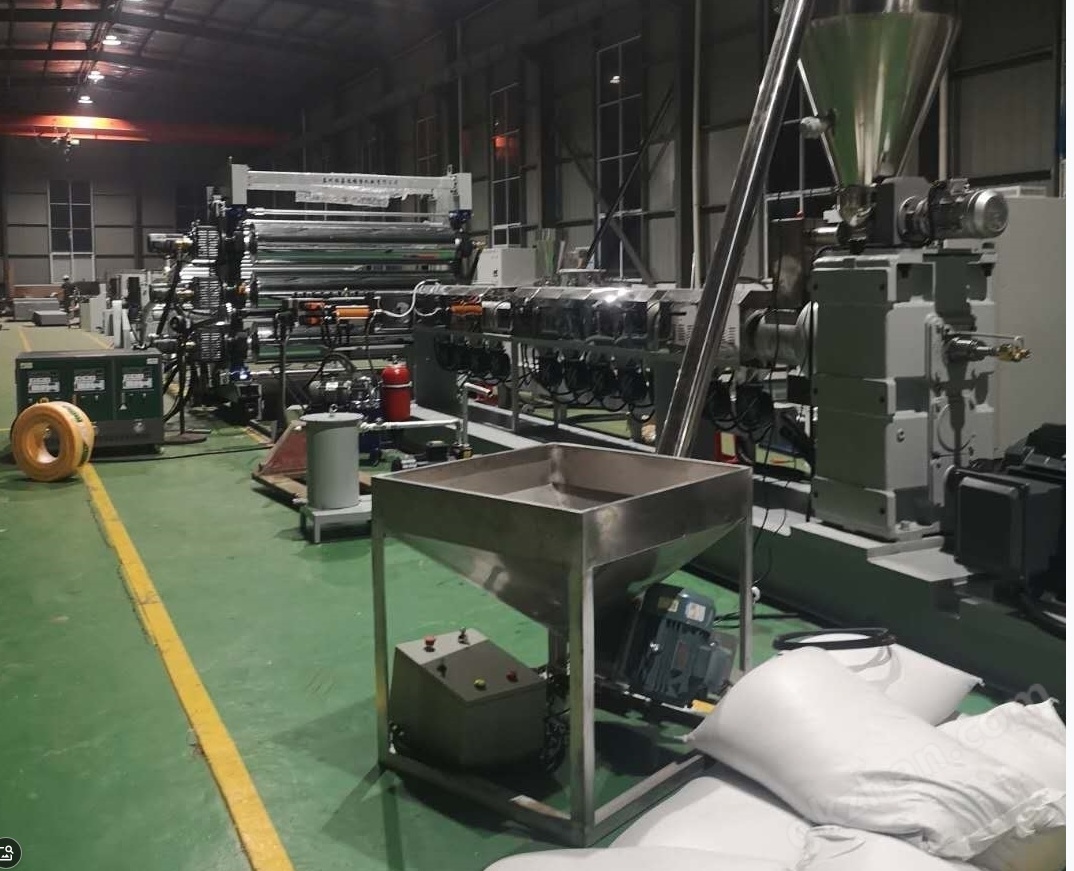
MLV production equipment and compound preparation.
The prepared compound is fed through an extrusion system and formed into a continuous membrane. Controlled material flow and processing conditions help produce stable sheet dimensions before further finishing.
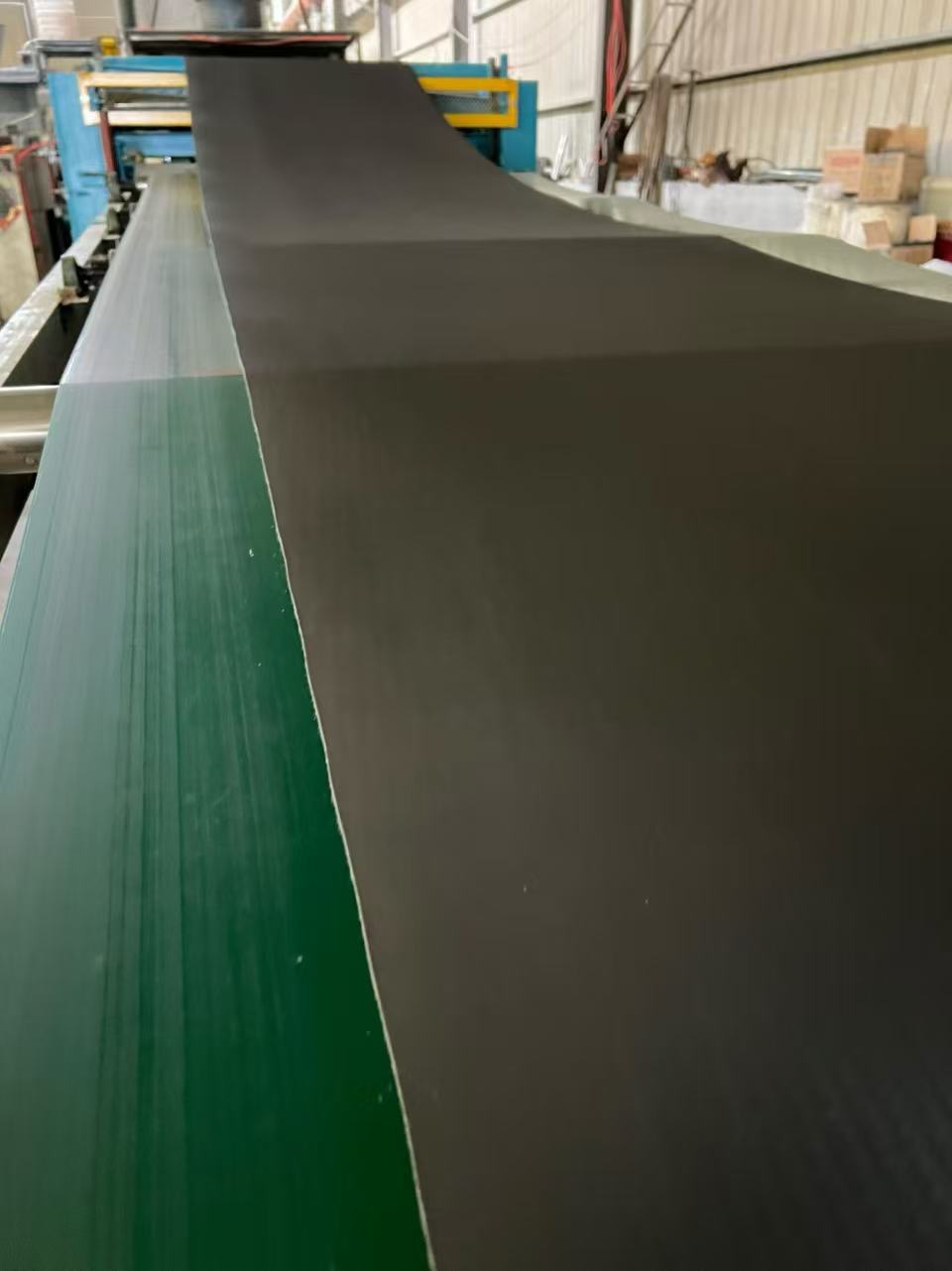
MLV sheet extrusion and continuous membrane formation.
The sheet passes through precision rollers to control its thickness and surface finish. ANIKA offers MLV thickness options including 1.2 mm, 2 mm, 3 mm and 5 mm, subject to product specification.
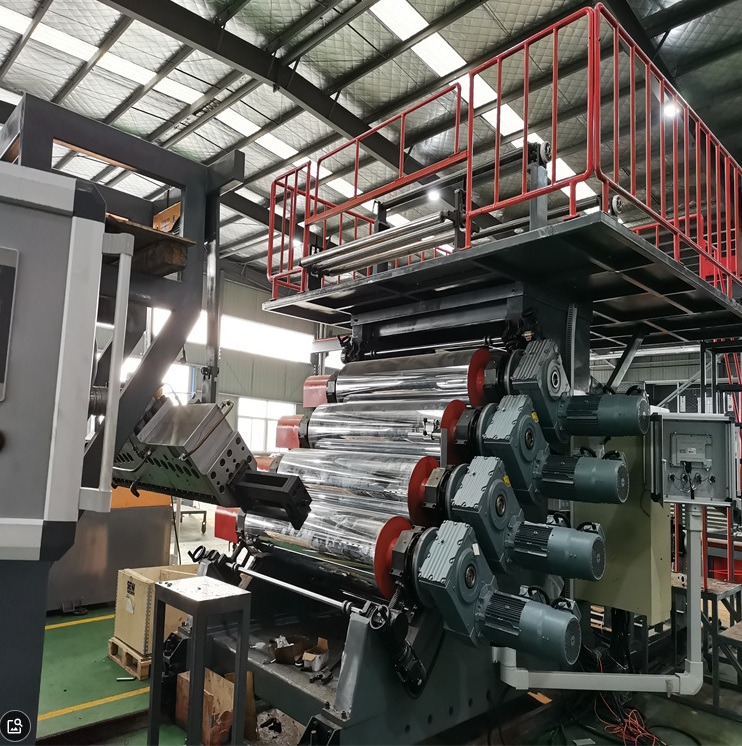
Industrial calender rollers for MLV thickness control.
For applicable MLV variants, a non-woven fabric layer is laminated onto the membrane. Process control helps maintain alignment, bonding consistency and an even surface. Backed and unbacked configurations are selected according to application needs.
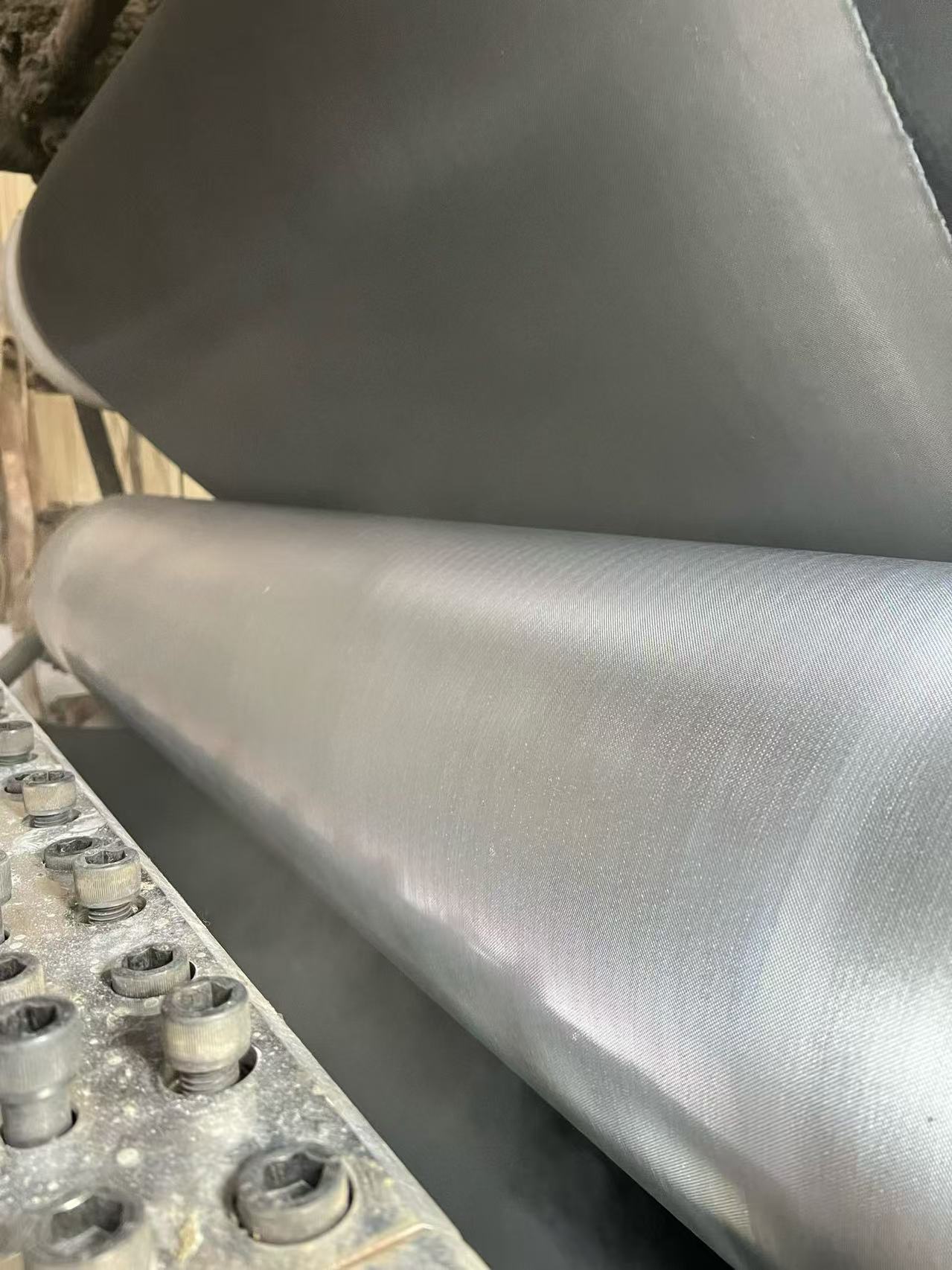
Close-up of fabric-backed MLV lamination.
After forming and finishing, the continuous sheet passes through a cooling and support section. Controlled cooling prepares the membrane for inspection, trimming and winding while helping maintain dimensional consistency.
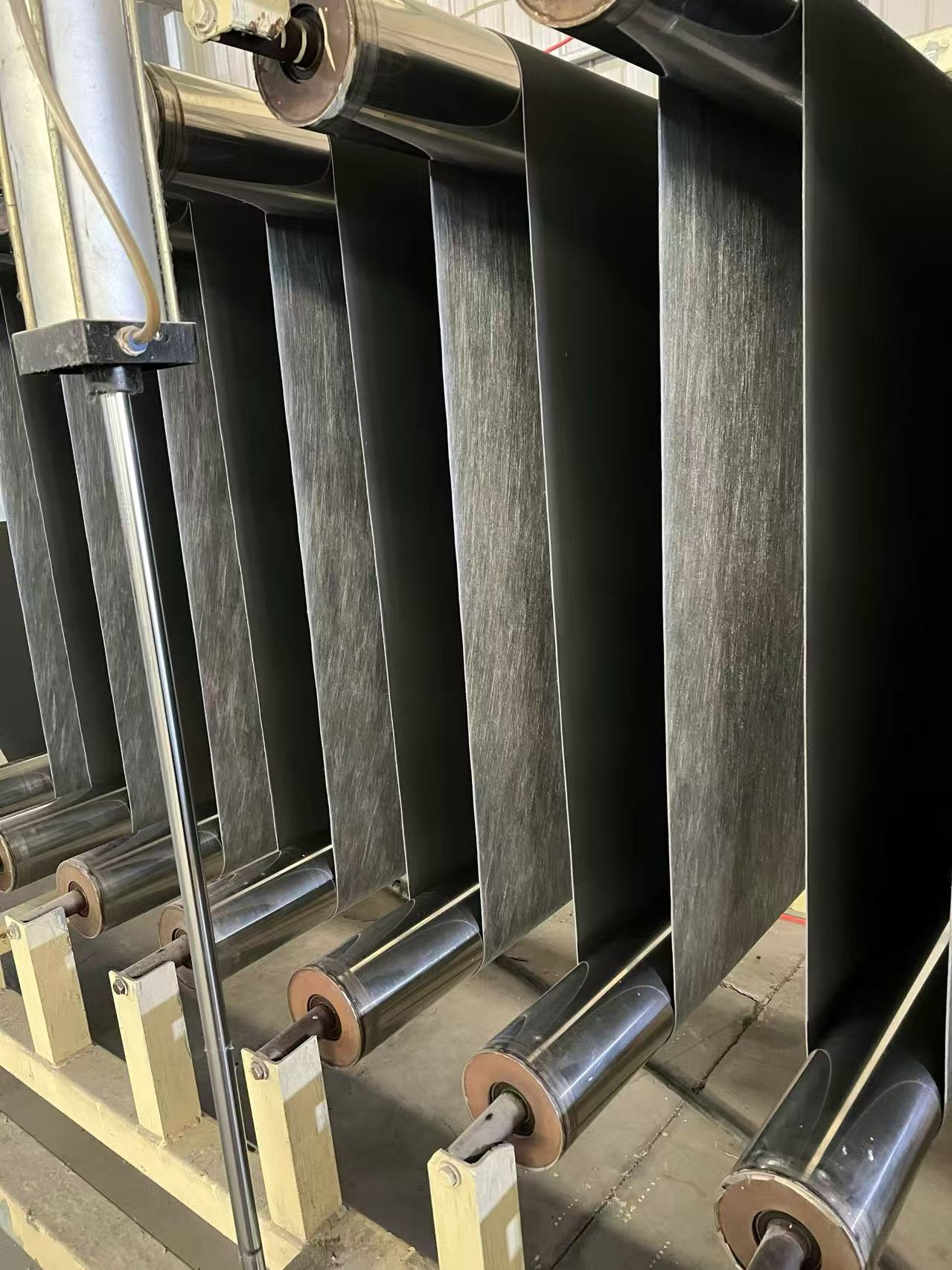
MLV soundproof membrane passing through cooling rollers.
Quality checks may include thickness, width, length, surface appearance, flexibility and mass per unit area. Available test reports should be matched to the exact product and tested configuration; results for one assembly do not guarantee performance in another.
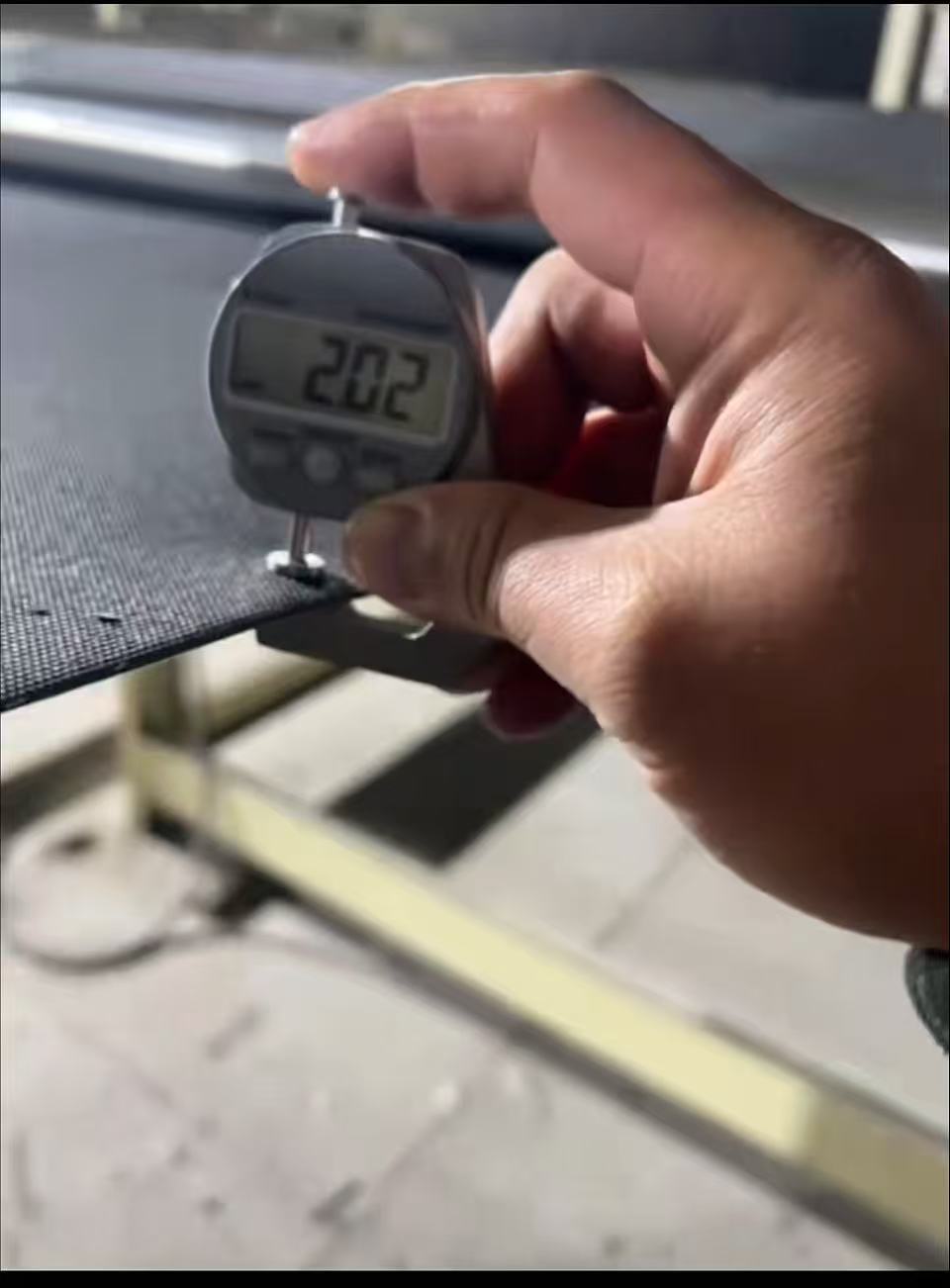
MLV thickness inspection using a digital gauge.
The continuous membrane is trimmed or cut to the required dimensions and wound into manageable rolls. Roll length, width and packing arrangements can be discussed for wholesale and project orders.
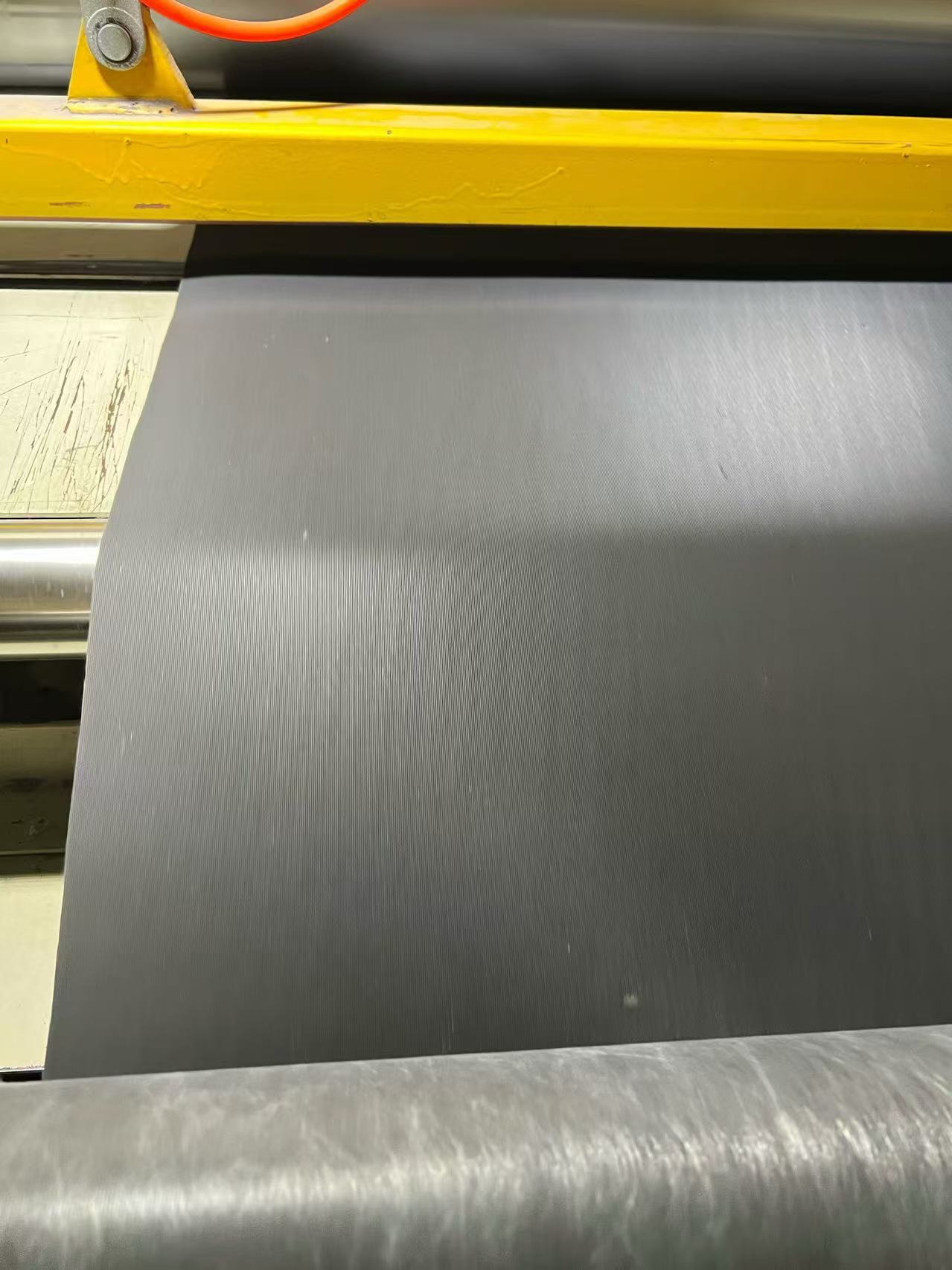
Continuous MLV sheet being processed for winding.
Finished rolls are protected, labelled where required and prepared for warehouse storage or shipment. Packaging and loading arrangements depend on product dimensions, quantity and destination.
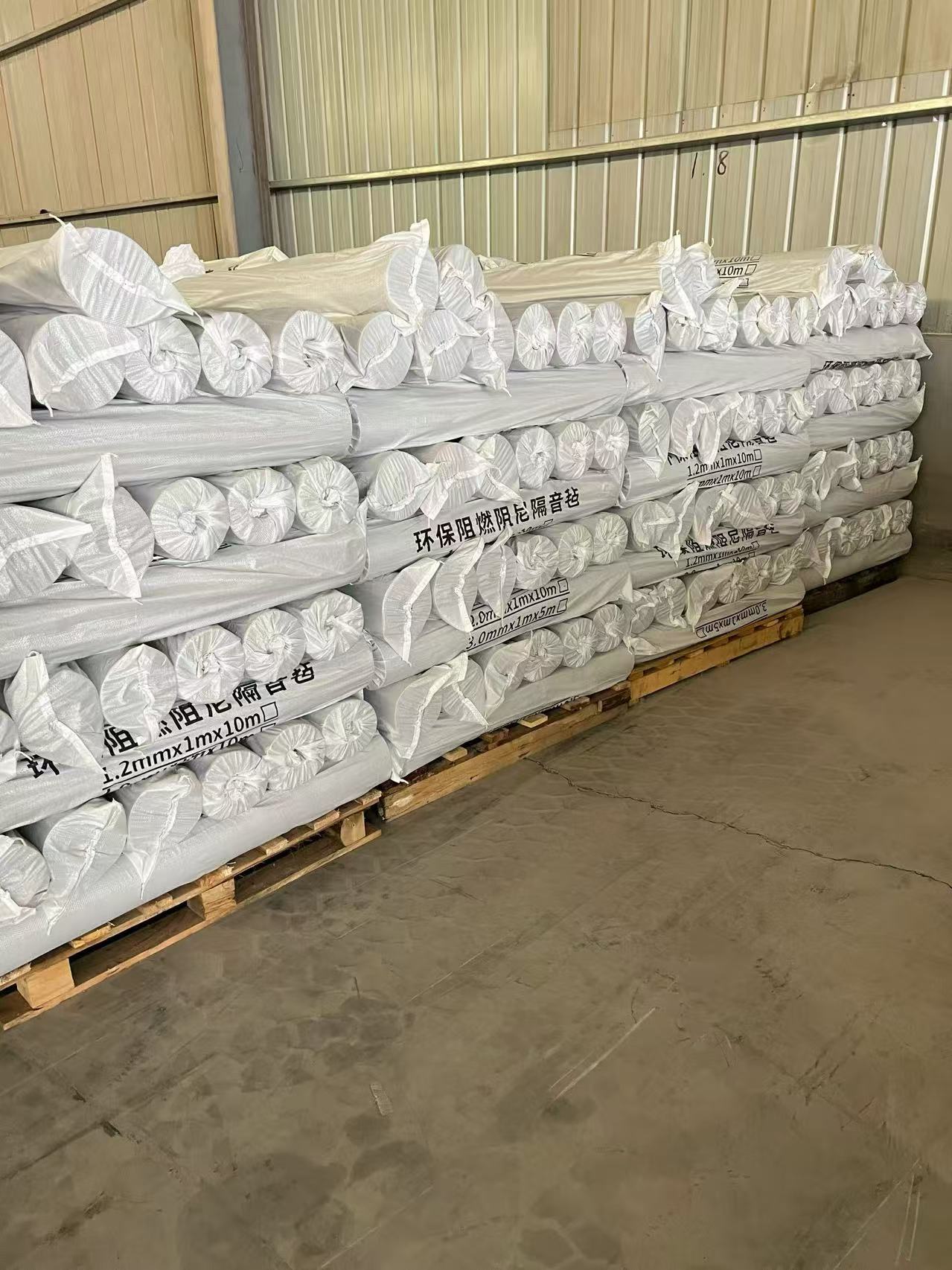
Wrapped MLV rolls stored on pallets before shipment.
Available MLV thickness options include 1.2 mm, 2 mm, 3 mm and 5 mm. Selection should be based on surface mass, target assembly performance, handling requirements and installation method—not thickness alone. Acoustic performance depends on the entire tested or installed system.
Typical applications: partition walls, suspended ceilings, floor assemblies, HVAC enclosures, machinery barriers and studio construction.
MLV adds flexible surface mass to a properly designed sound insulation assembly. The actual improvement depends on frequency, sealing, construction details and other transmission paths.
Yes, certain product configurations can include a non-woven fabric layer. Ask ANIKA to confirm backing type, bonding method and suitability for your application.
Confirm thickness, mass per square meter, roll dimensions, installation conditions, required test reports, order quantity and shipping destination.
ANIKA supports distributors, acoustic contractors and international project buyers. Contact us for available specifications, relevant test reports, samples and bulk-order discussions.
Email: export@anikacn.com | WhatsApp: +86 13824455624

Name: Sherry
Mobile:086-13824455624
Tel:086-13824455624
Whatsapp:8613824455624
Email:export@anikacn.com
Add:4th Floor, Building 210, Tairan Industrial Zone, Shennan West Road, Futian District
We chat