Choosing the right material is the core solution to impact noise such as footsteps and falling objects in floor sound insulation projects. Anika Acoustic breaks down the acoustic performance and cost-effectiveness differences of 4 mainstream materials to help you select the right option accurately.
1. Rubber Underlayment
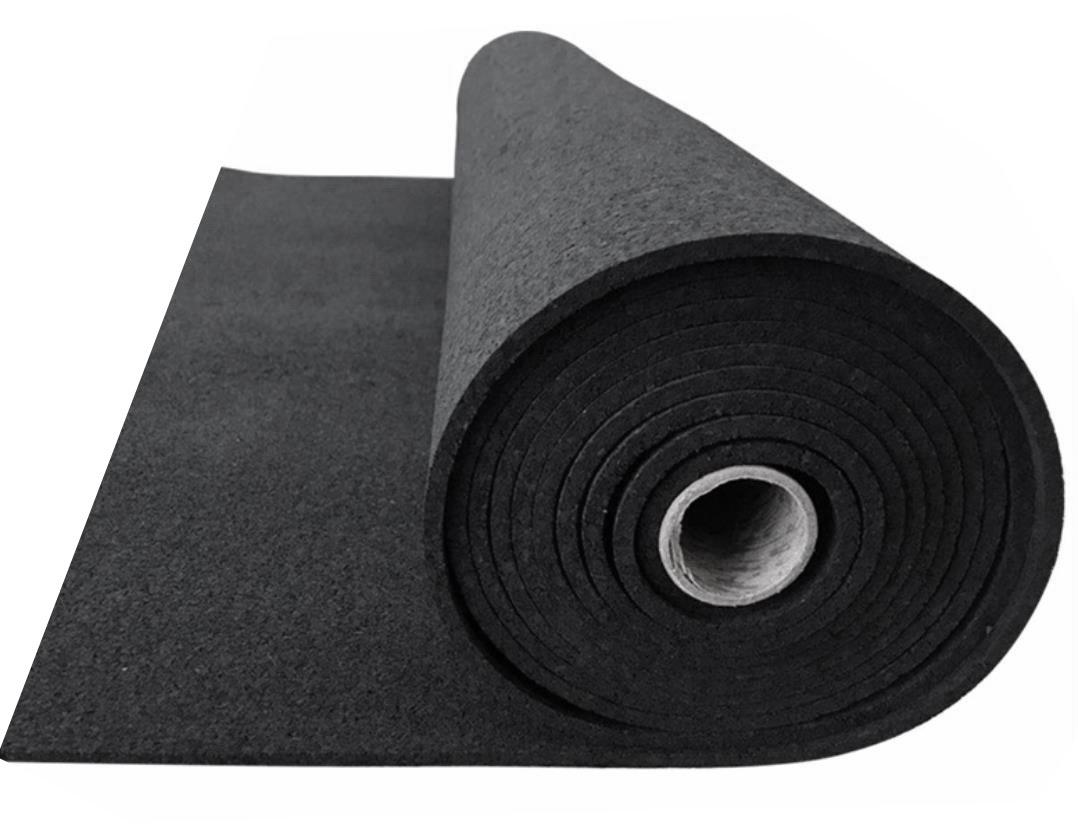
✨ Core Features
Made of natural/synthetic rubber, with excellent elasticity and aging resistance, it is the "killer" of low-frequency vibration.
*Acoustic Performance: Outstanding in blocking low-frequency impact noise (footsteps, heavy object landing sounds), with an impact sound improvement of 20-23dB, effectively cutting the solid-borne sound transmission path; also has a certain auxiliary sound insulation effect on medium and high-frequency noise.
*Applicable Scenarios: Gyms, equipment rooms, hotel rooms, KTVs and other scenarios with high requirements for low-frequency sound insulation, as well as general residential floor sound insulation.
*Cost-Effectiveness: Mid-to-high level, priced at approximately $6-12 per square meter, with a long service life (more than 10 years) and low long-term use cost.
*Advantages: Strong compression resistance, can directly bear concrete pouring; moisture-proof and water-resistant, suitable for humid areas such as bathrooms and kitchens.
*Disadvantages: Some rubber materials have a slight odor, so environmentally friendly qualified products need to be selected; slightly heavy, with a slight impact on floor load-bearing.
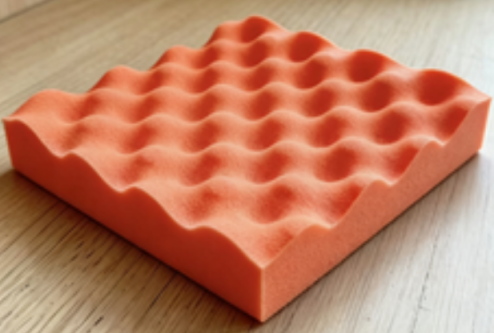
2. PU Soundproof Sheet
3. Cross-Linked Polyethylene (XPE) Sheet
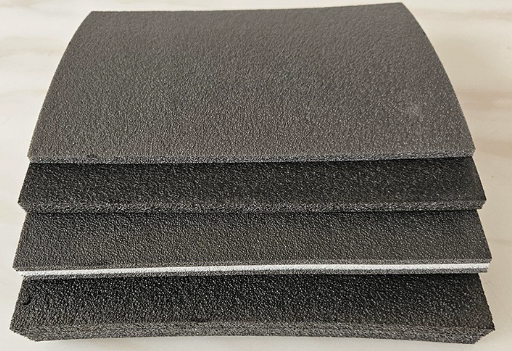
✨ Core Features
Electronic cross-linked polyethylene foam material with closed-cell structure, focusing on high cost-effectiveness and waterproof and moisture-proof properties.
Acoustic Performance: Basic sound insulation effect meets the standard, the impact sound improvement of 5mm thick material is about 15-20dB, which can meet the sound insulation needs of ordinary residences; the closed-cell structure can effectively block airborne sound, and has a certain weakening effect on high-frequency footsteps.
Applicable Scenarios: Budget-limited floor sound insulation projects such as ordinary residences, office buildings and schools, especially suitable for humid environments (such as bathrooms, balconies).
Cost-Effectiveness: Extremely high, priced at approximately $3-7 per square meter, the first choice for affordable sound insulation solutions.
Advantages: Excellent waterproof and moisture-proof performance (water absorption rate ≤0.2%), aging resistance and corrosion resistance; light texture, simple construction, can be directly laid on the floor.
Disadvantages: Weak effect on blocking low-frequency noise, cannot meet strong vibration scenarios such as gyms and KTVs; low sound insulation upper limit, cannot reach the sound insulation standard of high-end residences.
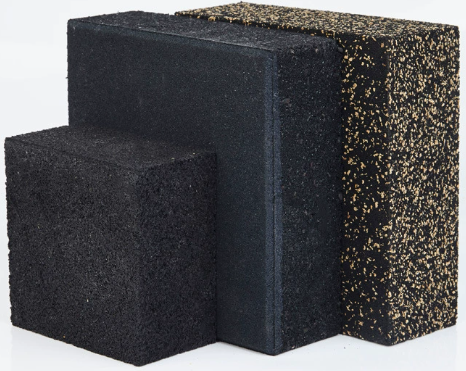
✨ Core Features
Block-shaped shock-absorbing material made of rubber particles/cork particles and pressed under high pressure, which is the core component of "floating floor".
Acoustic Performance: The ceiling of low-frequency shock absorption effect, which can effectively cut the sound bridge, and the blocking effect on heavy equipment vibration and low-frequency noise is far better than coil materials; combined with the floating floor structure, the impact sound improvement can exceed 30dB.
Applicable Scenarios: Recording studios, cinemas, bars, drum rooms, machine rooms and other scenarios with extremely high requirements for low-frequency vibration control, also can be used for extreme sound insulation renovation of high-end residences.
Cost-Effectiveness: Mid-to-high end, the comprehensive cost per square meter is about $12-22 (including construction), which needs to be matched with concrete pouring, and the overall cost is high.
Advantages: Strong bearing capacity, can bear the weight of large equipment; stable shock absorption performance, service life of more than 15 years; high temperature resistance and aging resistance, suitable for long-term high-load scenarios.
Disadvantages: Complex construction, need to cooperate with floating floor technology, long construction period; high cost, large budget pressure for ordinary residential renovation.
Comprehensive Comparison
|
Material Type Core Advantages |
Acoustic Performance (Impact Sound Improvement) |
Cost per Square Meter |
Applicable Scenarios |
|
Rubber Underlayment |
Strong low-frequency shock absorption, aging resistance 20-23dB |
$6-12 |
Gyms, machine rooms, hotels |
|
PU Soundproof Sheet |
Strong comprehensive sound insulation, lightweight 20-30dB |
$9-18 |
High-end residences, recording studios, old house renovation |
|
XPE Sheet |
Waterproof and moisture-proof, high cost-effectiveness 15-20dB |
$3-7 |
Ordinary residences, office buildings, humid areas |
|
Soundproof Insulation Brick |
Top-tier low-frequency shock absorption 25-35dB (with floating floor) |
$12-22 |
Cinemas, bars, recording studios, high-end renovation |

Name: Sherry
Mobile:086-13824455624
Tel:086-13824455624
Whatsapp:8613824455624
Email:export@anikacn.com
Add:4th Floor, Building 210, Tairan Industrial Zone, Shennan West Road, Futian District
We chat